
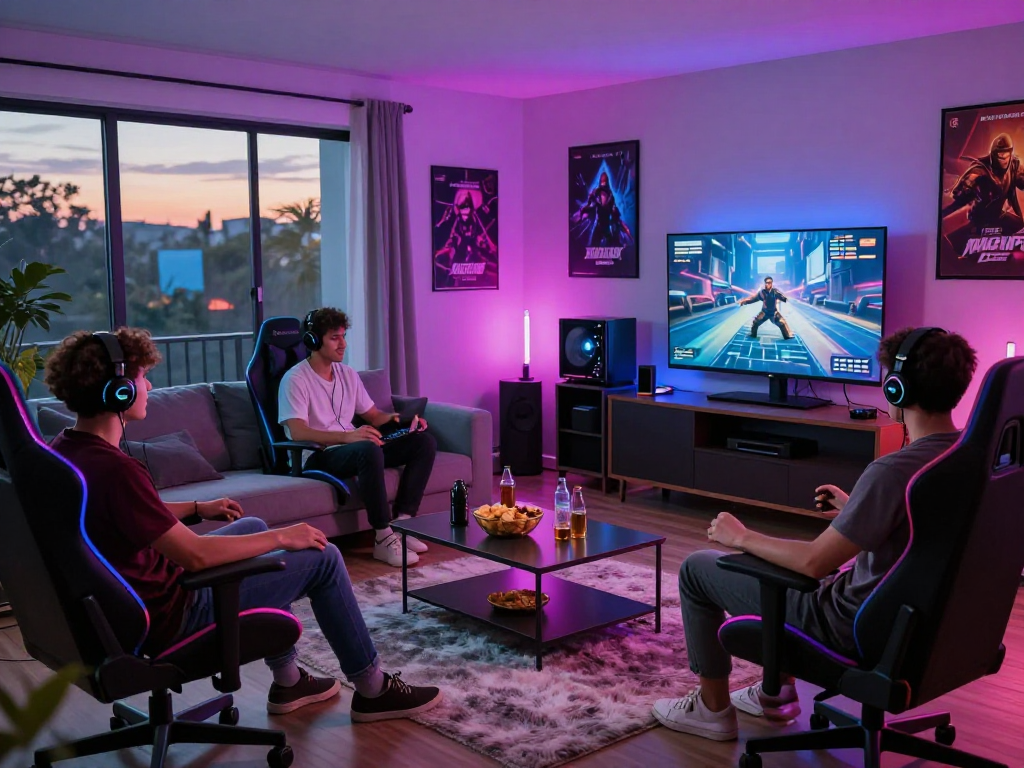
The Rise of Fair Online Gaming: Community Dynamics
The gaming landscape is experiencing a significant transformation as players increasingly demand fairness and transparency in their gaming experiences. The notion of fair online gaming has emerged as a pivotal concept, fostering communities built on trust, integrity, and engagement. As the industry evolves, understanding the dynamics of community interaction within this context becomes crucial for creating sustainable platforms. When exploring options, Fair online environments are at the forefront of this change, promoting inclusivity and fair play among users.
Understanding Fair Online Gaming Concepts
Fair online gaming refers to a gaming environment where players can enjoy games without the fear of manipulation, cheating, or discrimination. This concept involves a collection of standards and practices that ensure all players have equal opportunities to win and enjoy their gaming experience. Key components include:
- Transparency: Clear rules and algorithms that govern gameplay.
- Accountability: Systems in place to address grievances and ensure fair treatment.
- Community Engagement: Fostering a culture of respect and camaraderie among players.
By understanding these concepts, stakeholders in the gaming industry can contribute to a healthier ecosystem that resonates with players’ values.
Benefits of Community Interaction in Gaming
Community interaction plays a vital role in shaping the experience of fair online gaming. The benefits include:
- Enhanced Engagement: Players who feel part of a community are more likely to remain active and engaged.
- Shared Knowledge: Players can share strategies and insights, improving overall gameplay.
- Support Systems: Communities often provide emotional and practical support, fostering a more enjoyable gaming atmosphere.
These interactions not only enhance the gaming experience but also promote a sense of belonging that is increasingly important in the digital age.
Challenges Facing Fair Online Platforms
Despite the growing demand for fair online gaming, platforms face numerous challenges:
- Cheating and Fraud: The prevalence of cheats and exploits continues to undermine fair play.
- Regulatory Hurdles: Navigating the complex legal landscape can be daunting for gaming platforms.
- Player Trust: Building and maintaining trust among users is critical yet challenging.
Addressing these challenges requires innovative solutions and a commitment to upholding the principles of fairness across the gaming community.
Building a Fair Online Gaming Environment
To create a fair online gaming environment, platforms must implement best practices that prioritize the player experience while ensuring integrity. By applying approaches tailored to individual communities, developers can foster a sense of fairness that resonates with gamers.
Best Practices for Fair Play in Gaming
Best practices to cultivate a fair online gaming environment include:
- Regular Updates: Continuously improving game mechanics and addressing exploits.
- Transparent Communication: Keeping players informed about changes and updates.
- Robust Reporting Systems: Implementing easy-to-use reporting tools for players to flag issues.
By adopting these practices, gaming platforms can enhance player satisfaction and trust, ultimately contributing to a thriving community.
Case Studies of Successful Fair Gaming Communities
Examining successful gaming communities can reveal valuable insights:
- Community-Driven Moderation: Platforms like Among Us utilize player moderators to ensure fairness.
- Player Feedback Loops: Games like Fortnite actively incorporate player feedback into updates and gameplay changes.
These examples highlight the importance of community engagement in developing a fair online gaming ecosystem that resonates with players.
Technological Innovations Enhancing Fairness
Technological advancements play a critical role in promoting fairness in online gaming. Innovations such as:
- Blockchain Technology: Provides transparency in transactions and game mechanics.
- AI-Driven Analytics: Helps identify cheating patterns and monitor player behavior.
- Smart Contracts: Automate and enforce fairness agreements between players.
Integrating these technologies can significantly improve the overall gaming experience and ensure a level playing field.
Future Trends in Fair Online Gaming
The landscape of online gaming is set to evolve dramatically in the coming years, particularly regarding fairness and transparency. Anticipating these trends will be crucial for developers and players alike.
Predicted Developments for 2026
As we look towards 2026, several developments are anticipated:
- Increased Regulation: Stricter regulations may emerge, mandating fairness standards.
- Advanced AI Solutions: AI could play a more significant role in detecting cheating and ensuring fair play.
- Decentralized Gaming Platforms: Innovations could lead to platforms that prioritize community governance and fairness.
These developments will shape the future of online gaming, making it essential for stakeholders to stay informed and adaptable.
Emerging Gaming Technologies Impacting Fairness
Emerging technologies will further influence fairness in online gaming:
- Virtual Reality (VR): Creating immersive environments that enhance community interactions.
- Augmented Reality (AR): Adding layers of fair play elements to traditional gaming experiences.
- 5G Connectivity: Improving game performance and reducing latency, which can enhance fair play.
Adopting these technologies will allow gaming communities to thrive in a fair and engaging environment.
Expert Insights on Future Gaming Landscapes
Industry experts suggest that the future of fair online gaming will revolve around community-centric models. Predictive analytics and player involvement will shape game dynamics, enabling developers to create experiences that prioritize fairness and transparency. This direction is critical for fostering lasting relationships between players and platforms, ultimately enhancing the overall gaming ecosystem.
Creating an Engaging Fair Online Experience
Engagement is a cornerstone of a successful gaming community. Developers must focus on strategies that not only promote fairness but also enhance user experience and satisfaction.
Strategies to Enhance User Engagement
Effective strategies to improve engagement include:
- Gamification: Introducing reward systems that encourage fair play and community involvement.
- Regular Events: Hosting tournaments and community events to promote interaction.
- Personalization: Tailoring experiences based on individual player preferences and behaviors.
Implementing these strategies can foster a vibrant community where players feel valued and engaged.
Real-World Examples of Successful Engagement Techniques
Many games have successfully enhanced user engagement through innovative techniques:
- Interactive Storylines: Games like The Witcher integrate player choices into narratives, enhancing involvement.
- Community Challenges: Platforms like Destiny 2 promote cooperative gameplay through community challenges, fostering collaboration.
Such examples illustrate the potential of community-driven engagement in enhancing the overall gaming experience.
Measuring Success in Community Engagement
Measuring success in user engagement requires a comprehensive approach:
- Player Retention Rates: Monitoring how many players return after their initial experience.
- Community Feedback: Collecting player input through surveys and forums.
- Active Participation Metrics: Tracking participation in events and community activities.
These metrics can provide valuable insights into community dynamics and areas for improvement.
Addressing Common Misconceptions
As fair online gaming grows in popularity, it is essential to dispel common misconceptions that may hinder its acceptance and growth.
Debunking Myths About Fair Online Gaming
Some prevalent myths include:
- Myth 1: Fair online gaming is less competitive. Reality: Fairness enhances competition by ensuring a level playing field.
- Myth 2: Fair gaming platforms are boring. Reality: Engaging communities create excitement and dynamic gameplay.
Addressing these myths can foster a greater understanding and acceptance of fair online gaming.
Understanding User Pain Points
Players often face pain points that can affect their gaming experience, including:
- Frustration with Cheating: Many players feel disheartened when facing cheaters, impacting their enjoyment.
- Lack of Transparency: Unclear rules and mechanisms can lead to confusion and distrust.
Identifying and addressing these pain points is essential for creating a fair online landscape.
Key Insights from Industry Leaders
Insights from industry leaders highlight the importance of community and fairness in gaming:
- Community Engagement: "Building a community that prioritizes respect and fairness is essential for sustainability." - Jane Doe, Gaming Expert.
- Transparency: "Being open with players about game mechanics fosters trust and integrity." - John Smith, Game Developer.
These insights underscore the necessity of fairness and community in the evolution of online gaming.
What are the benefits of Fair Online gaming?
The benefits of fair online gaming are manifold:
- Increased Trust: Fair systems enhance player trust in the platform.
- Community Building: Fair play fosters a positive and inclusive community.
- Enhanced Experience: Players enjoy a more satisfying and engaging gameplay experience.
Ultimately, adopting fair practices enhances the overall quality of gaming environments.
How can communities foster fair play?
Communities can foster fair play through several strategies:
- Promoting Positive Behavior: Encouraging sportsmanship and respect among players.
- Implementing Rules: Establishing clear guidelines for acceptable behavior.
- Recognizing Good Players: Celebrating players who exemplify fair play.
These initiatives can help create an atmosphere conducive to fair gaming.
What technologies support fair online gaming?
Technologies that promote fair online gaming include:
- Blockchain: To ensure transparency in transactions.
- Anti-Cheat Software: To detect and prevent cheating.
- Player Analytics: To monitor behavior and enforce compliance.
Leveraging these technologies can strengthen the integrity of gaming platforms.
What future trends should gamers watch?
Gamers should keep an eye on the following trends:
- Community Governance: Players may gain more say in platform decisions.
- Increased Use of AI: Enhanced personalization and security measures.
- Decentralized Platforms: Emerging models that prioritize fairness and community input.
Staying informed about these trends will help gamers navigate the evolving landscape of online gaming.. Additionally, FairPlay id provides further details.